

Small Loans Australia :: News
SHARE

Share this news item!

Why More Australians Are Rechecking Their Debt Mix

Simpler repayments can help, but only when the full cost is clear

Why More Australians Are Rechecking Their Debt Mix?w=400

The information on this website is general in nature and does not take into account your objectives, financial situation, or needs. Consider seeking personal advice from a licensed adviser before acting on any information.

Recent consumer finance reporting has again highlighted a familiar pressure point for Australian households: managing several debts at once can become harder as everyday costs stay elevated.
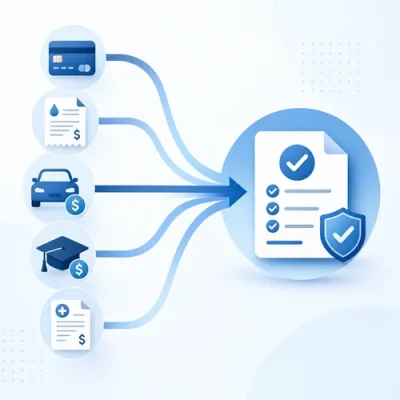
Credit cards, buy now pay later balances, car repairs, medical bills and overdue utilities can each look manageable in isolation, but together they may create a repayment calendar that is difficult to keep under control.

That is why debt consolidation is getting renewed attention. The idea is straightforward: replace multiple repayments with one new loan, ideally with a clearer schedule and a lower overall cost. For borrowers considering small loans, this can sound appealing, particularly when cash flow is tight or when missed payments are starting to affect confidence.

However, consolidation is not automatically a cheaper outcome. A lower monthly repayment can sometimes come from stretching the debt over a longer term, which may increase the total interest paid. Establishment fees, monthly account fees, early payout costs and comparison rates also matter. Before applying, borrowers should estimate repayments under different terms rather than focusing only on the headline rate.

For people with irregular income, casual work, self-employment or a patchy credit history, the assessment may also be more detailed. Lenders may review income consistency, bank statements, existing commitments and recent repayment behaviour. These responsible lending checks are designed to test whether the new loan is suitable and affordable, not just whether the borrower wants to simplify their finances.

A practical starting point is to list each current debt, including the balance, interest rate, fees, minimum repayment and due date. Then compare that total with the proposed new loan amount, repayment term and total cost. If the new loan clears expensive debt but leaves the borrower relying on credit cards again for groceries or rent, the problem may be budget pressure rather than loan structure.

Debt consolidation can still be useful when it is part of a wider plan. That may include closing or reducing unused credit limits, setting up payment reminders, building a small emergency buffer and seeking hardship support early if income changes. For small business owners, the same thinking applies: using finance to tidy short-term obligations should be weighed against upcoming tax, wages, stock and seasonal cash flow needs.

The key message is not to rush. A small loan can provide structure and breathing room, but it should leave the borrower in a stronger position after fees, interest and repayments are fully understood.

Published:Wednesday, 16th Sep 2026
Author: Paige Estritori

Please Note: We do not endorse any specific products or companies. Some content is sourced from third parties, including press releases, and may not be independently verified for accuracy or completeness.

Share this news item:

Rate this article

0 Comments

No comments yet. Be the first to share your thoughts.

Finance News

Card Surcharge Ban Adds New Cash Flow Test for Small Firms
28 Oct 2026: Paige Estritori
Australia’s new card surcharge rules have turned a small checkout fee into a wider cash flow question for consumers and small businesses. Since 1 October 2026, businesses have generally been unable to add card payment surcharges for major card networks, making payments look simpler at the counter but leaving operators to decide how remaining merchant costs fit into their pricing, margins and budgeting. - read more
Why More Australians Are Rechecking Their Debt Mix
16 Sep 2026: Paige Estritori
Recent consumer finance reporting has again highlighted a familiar pressure point for Australian households: managing several debts at once can become harder as everyday costs stay elevated. Credit cards, buy now pay later balances, car repairs, medical bills and overdue utilities can each look manageable in isolation, but together they may create a repayment calendar that is difficult to keep under control. - read more
Why Credit Complaint Trends Matter Before You Take a Small Loan
09 Sep 2026: Paige Estritori
A fresh round of financial complaints reporting has put credit products back under the spotlight, with borrowers continuing to raise concerns about repayment pressure, fees, credit reporting, hardship support and the way lenders communicate when things go wrong. For Australians considering small loans, the message is practical rather than alarming: quick access to finance can be useful, but it should come with clear terms, realistic repayments and a plan if your income changes. - read more
Why Thin Savings Buffers Are Changing How Australians Borrow
02 Sep 2026: Paige Estritori
Recent consumer finance reporting has again highlighted a problem many Australians already feel in their weekly budget: savings buffers are thin, and unexpected costs are arriving faster than wages can absorb them. Car repairs, medical bills, rent gaps, utility catch-ups and small business cash flow shortages can all turn into urgent funding decisions, especially for casual workers, sole traders and households with irregular income. - read more
Why Personal Loan Rate Differences Matter for Small Borrowers
26 Aug 2026: Paige Estritori
Recent finance market reporting points to a sharper divide in Australia’s personal loan market: borrowers with stronger credit profiles and stable incomes may still find competitive offers, while applicants with patchier credit, casual income or heavier existing commitments can face higher pricing, tighter limits or more conditions. For Australians considering small loans, that gap matters more than the headline rate. - read more
What New BNPL Credit Rules Mean for Australians Considering Small Loans
19 Aug 2026: Paige Estritori
Buy now pay later has shifted from a simple checkout convenience to a more formal part of Australia’s consumer credit landscape. Since the newer regulatory framework began applying, providers have faced clearer expectations around licensing, suitability checks, complaints handling and support for customers who fall behind. For everyday borrowers, this matters because BNPL, small personal loans and other short-term finance products often compete for the same household budget. - read more
What the RBA Rate Hold Means for Small Loan Borrowers
12 Aug 2026: Paige Estritori
Australia’s latest interest rate pause gives borrowers a little breathing space, but it should not be mistaken for a drop in loan costs. After months of pressure from inflation, rents, insurance, groceries and utilities, the Reserve Bank’s decision to keep the cash rate steady leaves many households and small business owners still managing repayments shaped by earlier increases. - read more
Fast Cash Pressure Is Creating New Loan Scam Risks
04 Aug 2026: Paige Estritori
Australians searching for quick finance are being urged to slow down before responding to online loan offers, as scam activity continues to target people under cost-of-living pressure. The warning is especially relevant for borrowers who need urgent money for bills, car repairs, medical costs, rent gaps or short-term business cash flow. - read more
What ASIC’s Hardship Focus Means for Everyday Borrowers
28 Jul 2026: Paige Estritori
Australia’s credit regulator has kept the spotlight on how lenders respond when borrowers fall into financial hardship, a theme that matters directly to households and small business operators using small loans to manage short-term pressure. The message is simple: hardship support should be accessible, practical and clearly explained, not buried behind confusing processes or repeated requests for the same information. - read more


Personal Loans Articles

Eligibility for Small Loans Under $10,000 in Australia
Small loan eligibility in Australia is usually assessed on income, expenses, employment, credit history, existing debts and affordability. This guide explains the common factors lenders may consider before offering a loan under $10,000. - read more
How to Create a Budget That Really Works for You
Budgeting is a foundational skill in the realm of personal finance, and as crucial as setting the sails is to a captain navigating through treacherous waters. Just as steady winds propel a ship towards its destination, a well-structured budget guides individuals towards their financial goals with confidence and control. - read more

Small Business Loans Under $10,000: What Australian Businesses Should Know
Small business loans under $10,000 can help Australian sole traders, contractors, self-employed workers and small business owners manage cash flow, equipment, stock or short-term operating needs. Before applying, it is important to understand how lenders assess business income, repayments, security, documentation and affordability. - read more
Secured vs Unsecured Loans: How to Compare Your Options in Australia
Secured and unsecured loans are two common ways Australians access personal finance. The main difference is whether the loan is backed by an asset, but that difference can affect interest rates, borrowing limits, repayment terms, eligibility and risk. - read more
Debt Consolidation Strategies: How to Regain Control of Your Finances
Debt can often feel like a formidable obstacle on the path to financial stability. Many individuals battle with various forms of debt, from high-interest credit cards to significant loans that seem to have an unyielding grip on their financial lives. Recognizing the challenges that debt presents is the critical first step towards regaining control of your personal finances. - read more

How Small Loans Under $10,000 Work in Australia
Small loans under $10,000 can help Australian borrowers cover personal expenses or business needs, but their costs, terms and eligibility criteria vary. This guide explains how they usually work, what lenders may consider and what to compare before borrowing. - read more
Bad Credit Personal Loans in Australia: How to Apply Faster and Compare Risks
Bad credit can make borrowing more challenging, but it does not automatically rule out every personal loan option. This guide explains how Australian borrowers can prepare for a small personal loan application, what lenders may look at beyond a credit score, and the risks to compare before applying. - read more
Debt Management Tips for Building Financial Freedom
Financial freedom starts with knowing where your money is going, what you owe and how you plan to reduce debt over time. These practical debt management tips can help Australians organise repayments, improve budgeting habits and make more informed decisions about borrowing and financial support. - read more
The Psychological Impact of Debt: Strategies for Stress Relief and Better Fiscal Health
It is no secret that the foundation of financial well-being is rooted in effective budgeting. In today's fast-paced world, where consumerism reigns, understanding how to manage one's finances has never been more crucial. Budgeting is not merely about restraining spending; it’s about creating a strategic plan that aligns with your financial goals and lifestyle. It allows individuals to gain control over their money, rather than letting their spending habits dictate their life course. - read more


Knowledgebase
Loan-to-Value Ratio (LTV):
A ratio that compares the value of the loan to the market value of the property securing the loan.


Quick Links: | Small Loans | Small Personal Loans | Small Business Loans | Quick Loans Under $10000 | Fast Cash Loans | Emergency Loans | Small Loan Guides | Bad Credit Small Loans | Online Loans Under $10000 | Short Term Loans | Unsecured Loans